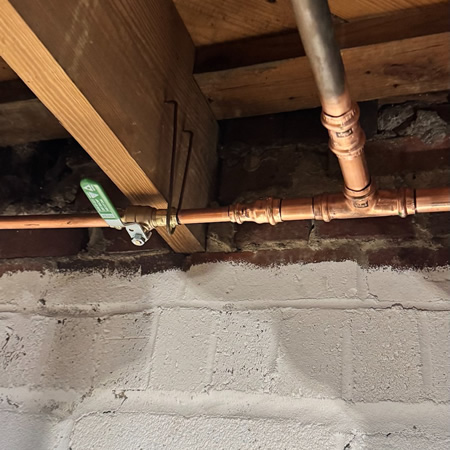
Water Line Leaks: When to Patch vs. Replace in NOVA Soil Conditions
If you have damp spots in the yard or dropping water pressure, you might be weighing a quick fix against full replacement. This guide explains how Northern Virginia soil, pipe materials, and yard constraints shape that choice, so your plumbing repair lasts and your property stays protected.
As your neighbors in Alexandria know, our clay-heavy soils and mature tree roots can be tough on buried lines. The right plan prevents repeat breaks, surprise water bills, and landscape damage.
How Northern Virginia Soil Affects Water Line Leaks
Across Alexandria, Del Ray, Rosemont, and the West End, soil tends to be dense clay with pockets of fill. Clay holds water and swells, then shrinks as it dries. That movement can stress older copper or plastic service lines and amplify tiny defects into leaks.
Yards near the Potomac or low spots can see a higher water table after storms. Saturated ground keeps pipes under steady pressure from the outside, so weak joints give way sooner. Tree roots chase moisture and can press against pipe walls, especially along narrow side yards typical of Old Town rowhomes.
Patch or Replace: A Simple Framework for Alexandria Homes
Patching works when the damage is small and isolated. Replacement makes sense when failures repeat or the line is near the end of its useful life. Use this quick lens to think it through:
- Patch: single, well‑located leak; good pipe material; line is otherwise healthy and newer.
- Replace: multiple leaks in a year; poor pipe material; line shows corrosion or deformation; the yard is already opening for other work.
When a patch is chosen, the goal is to stop an isolated problem without disturbing stable soil around it. When replacement wins, it is because it lowers risk for the whole run, not just today’s wet spot.
Material Matters: Copper Pinhole Leaks, Polybutylene, and Galvanized
Copper pinhole leaks often show up in older service lines. Tiny perforations form where water and minerals meet thin pipe walls, commonly on horizontal sections. If pinholes are scattered along several feet, more patches usually mean more future calls.
Polybutylene service lines were used in many homes built from the late 1970s into the 1990s. Age, water chemistry, and fittings can make these lines prone to sudden failures. In many Alexandria blocks, a planned changeout to copper or HDPE is the safer long‑term path.
Some homes still have galvanized steel segments. These corrode from the inside, reduce flow, and can split under pressure. If your line has a mix of materials or splices, a full replacement often stabilizes pressure and water quality at once.
Trench Versus Trenchless in Tight NOVA Yards
Traditional trenching exposes more of the line. It is predictable but can disturb walkways, mature landscaping, and tight side yards. Trenchless methods use access pits to pull or pipe‑burst a new line through, which reduces surface disruption and speeds restoration in small Alexandria lots.
Choose trenchless when you have stone walkways, brick patios, or large trees you prefer to keep undisturbed. Choose open trench when the soil is already being regraded or when obstacles make a straight pull impractical. For many rowhomes, a careful trenchless pull from curb to foundation preserves historic brick and plantings while solving the leak.
Curious which fits your yard best? Browse how we approach water line repair and replacement in a variety of NOVA lots.
Signs Your Leak Is in the Service Line, Not Inside
It is not always obvious where the water is escaping. These clues point toward the underground service line from the street to your home:
- Spongy or soggy turf along a straight path between the curb and the foundation
- Water meter running when all indoor fixtures are off
- Unexpectedly high water bills paired with lower indoor pressure
Indoor leaks show differently: wet drywall, ceiling stains, or localized floor warping. Professional acoustic listening and tracing quickly confirm the source so you do not dig blindly.
Reduce Repeat Leaks With Pressure and Corrosion Control
Even a perfect repair can fail early if your system runs too “hot” on pressure. A healthy pressure‑reducing valve and expansion tank help calm daily spikes that fatigue joints and solder. For a deeper dive on why this matters, see our take on water pressure and pipe life.
Material choice also affects long‑term performance. Copper or HDPE sized and installed correctly stands up better to soil movement. Proper bedding and backfill support the pipe so it is not resting on sharp debris that could wear a hole over time.
How Peregrina Plumbing Company Inc Diagnoses and Repairs Water Line Problems
We start by confirming the leak source, then map your service path and note surface features like pavers, porches, and trees. Next comes a material and age check at the entry point. If the line is a known risk material or has multiple past failures, we explain why a replacement may be smarter than another patch.
When a targeted repair makes sense, we isolate the damaged section and restore with compatible materials and fittings. When replacement is the better route, we plan a trenchless pull or a clean, safe open trench based on your lot layout. Either path aims to stabilize pressure, protect your landscape, and reduce future risk.
If you are in an older Old Town rowhome, we plan around tight access, brick walks, and shared gardens. In West End or Seminary Valley, we adjust for longer front yards and irrigation lines. Every home gets a tailored plan that fits the lot and the season.
Patch vs. Replace: Real‑World Scenarios in Alexandria
Old Town rowhouse with copper pinholes: A 1950s service line shows two pinholes six feet apart. The soil is saturated, and pressure is on the high side. Rather than stacking patches, a trenchless copper replacement from curb to foundation prevents more leaks and preserves the brick walkway.
Del Ray bungalow with a single curbside nick: Utility work left a small gouge near the street. The rest of the line is newer copper. A pinpoint repair at the damage site restores full function without opening the yard again.
West End split‑level with polybutylene: The line has leaked twice in two years. The yard has a new patio you want to keep intact. A trenchless pull to HDPE or copper avoids major surface disruption and stops the cycle of surprise bills.
Timing Your Project Around NOVA Weather
Heavy spring rains can keep clay soil saturated, which slows drying and restoration. Late summer often offers steadier ground for backfill and compaction. Winter cold snaps sometimes reveal weak spots, so planning a proactive replacement before the next season can prevent emergency digs at inconvenient times.
What to Expect During the Work
Before digging, we locate utilities and choose access points that keep your day‑to‑day life as normal as possible. If trenchless is selected, two small pits often do the trick. If open trench is best, we stage the route to protect plants and hardscapes and keep the site tidy.
Throughout the process, communication matters. You will know where we are working, how we are protecting your property, and when water will be briefly off. After the line is restored, we verify flow and pressure and backfill to support the new pipe.
Preventing Future Surprises
Do not ignore early signs of trouble like unexplained meter movement or wet turf. Addressing a small leak before it undermines soil can save landscaping and reduce restoration time.
Consider a pressure check after utility work on your street or after a major renovation. If your home has mixed materials or evidence of past patches, a planned upgrade often costs less in disruption than chasing the next break.
Why Homeowners Across Alexandria Choose Peregrina Plumbing Company Inc
We work on the same tight lots, historic walkways, and tree‑lined streets you do. Our team focuses on accurate diagnostics, neat work areas, and long‑lasting results. When a repair is the right call, we make it clean and durable. When replacement is smarter, we offer options that fit your yard and your schedule.
For issues that go beyond the service line, our broader plumbing repair expertise means we can evaluate fixtures, valves, and indoor piping so the whole system runs smoothly.
When to Call a Plumber in Alexandria, VA
If you see standing water in the yard, sudden drops in pressure, or a meter that never stops, it is time to bring in a pro. Reach out to the trusted plumbing repair in Alexandria, VA team at Peregrina Plumbing Company Inc for a steady, safe fix that respects your home and your landscape.
Want help deciding patch versus replace for your specific lot and pipe material? Call us at 703-486-4333 and we will walk you through the best options for your home.
Your Next Step
Act quickly if you suspect a service line leak. Fast action limits soil washout and protects nearby walkways and plantings. When you are ready, our crew can evaluate your yard, test pressure, and explain the clearest path forward. Start here and secure your home’s water supply with the right solution for NOVA soil and neighborhood layouts.
You can learn more about our approach to durable fixes on our main service page for plumbing repair, or schedule a visit today at 703-486-4333.
Don't Wait!
Contact Our Plumbers In Alexandria, VA Today!